Rot, rattles and stuck sashes do not always mean your Victorian windows are beyond saving. Learn how to tell what can be repaired and when replacement makes sense.
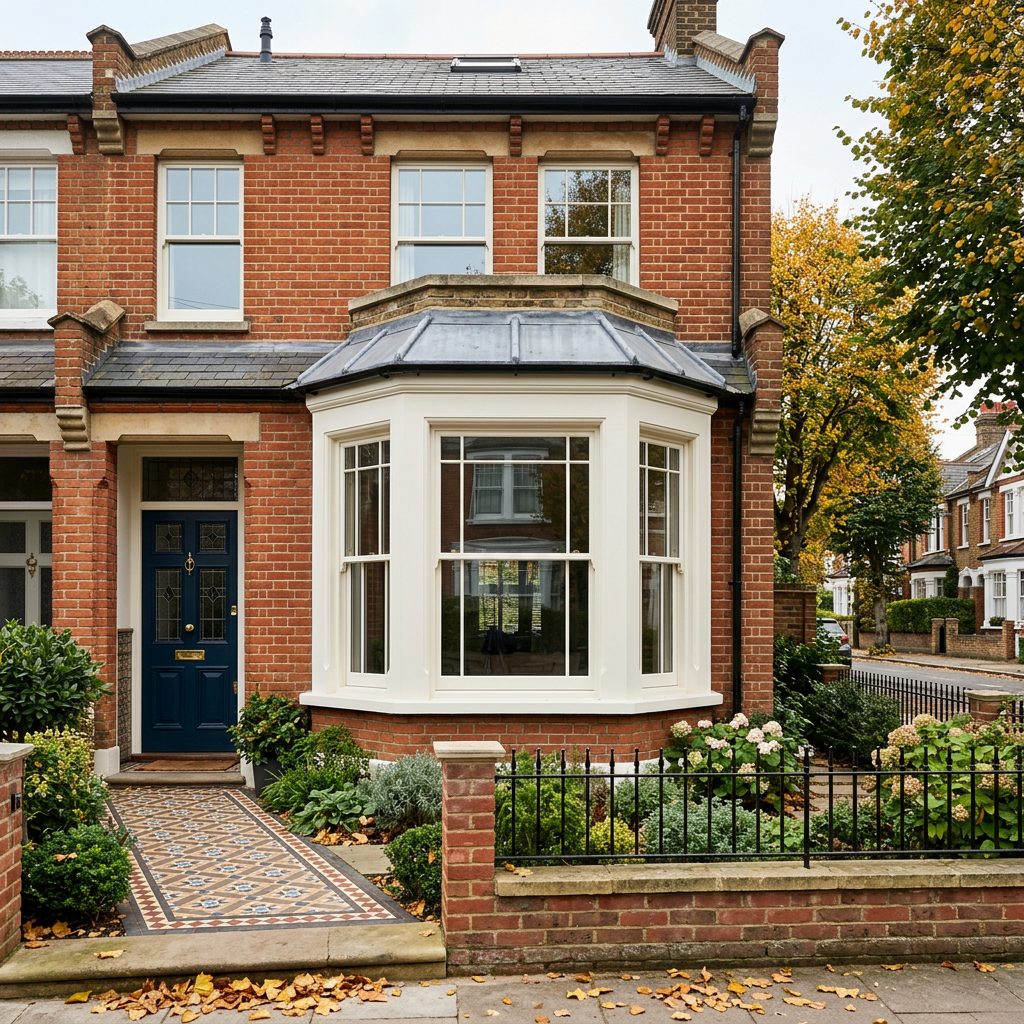
Walk down any street in Wandsworth, Richmond or Wimbledon and you will see Victorian and Edwardian terraces still carrying their original timber sash windows, well over a century after they were made. That longevity is remarkable, but it also leaves many homeowners with a difficult question: when a window starts to rot, rattle or stick, should you repair it or replace it? The honest answer is that it depends, and this guide explains how to judge it for yourself.
Why Original Windows Last So Long
The timber used in Victorian joinery was slow grown, dense and naturally resistant to decay, which is why so many original windows survive. When a window fails, it rarely fails everywhere at once. Decay almost always starts in the parts most exposed to rain: the cill, the bottom rail of the lower sash, and the lower sections of the box frame.
Problems That Are Almost Always Repairable
Rattling sashes, draughts, broken sash cords, seized pulleys, windows painted shut and stiff operation are all service items rather than signs of failure. A refurbishment with new cords, eased sashes and discreet draught seals will transform how the window works and feels.
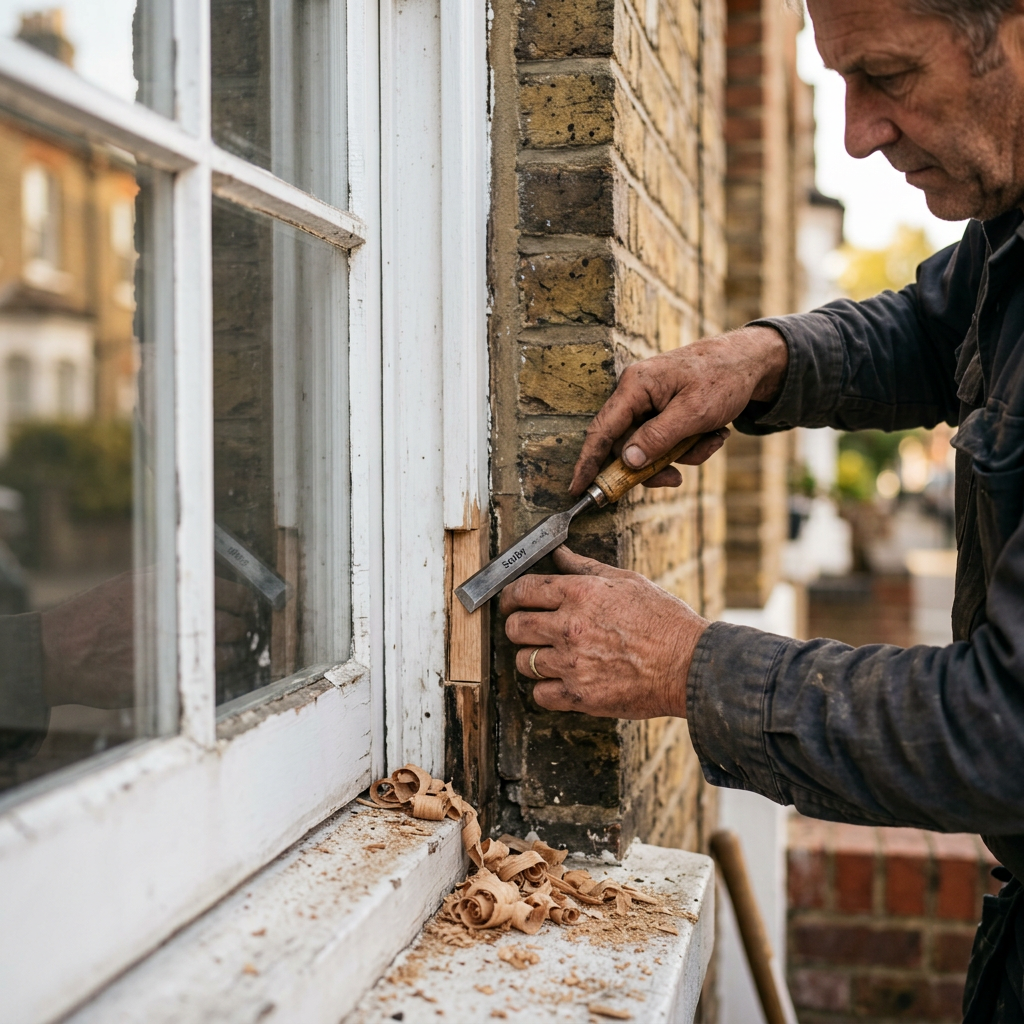
Localised rot is also very treatable. A skilled joiner can cut out a decayed cill or rail and splice in new matching timber, keeping the vast majority of the original window intact. This is often the right approach in conservation areas, where keeping original fabric is valued by planners and by future buyers alike.
When Replacement Makes Better Sense
There are tipping points. If rot has spread through the box frame itself, if previous repairs have left the window a patchwork, or if the sashes have twisted so they no longer seat properly, the cost of piecemeal repair can approach the cost of a new window without delivering the same result.
Replacement also becomes attractive when your priorities go beyond keeping the weather out. A new timber sash window can incorporate slimline or acoustic double glazing, modern security fittings and factory applied finishes, while faithfully matching the original profiles, horns and glazing bars. You keep the character and gain the comfort.
A Simple Way to Decide
Press a small screwdriver gently into the timber at the cill and the bottom corners of the frame. Sound timber feels firm; decayed timber gives way softly. If only one or two spots are soft and the window operates, repair is likely the economical choice. If the frame is soft in several places, or you are already planning to upgrade the glazing for warmth or quiet, a like for like replacement usually offers better long term value.
If you are unsure, ask us for a survey. We assess each window honestly and will always tell you when a repair is the better option, because the right answer for a terrace in Putney may be different from the one for a villa in Kew.