While uPVC is cheaper, timber remains the superior choice for period properties. We explore aesthetics, longevity, and property value.
When it comes time to replace aging windows, the initial price tag of uPVC can be tempting. However, for an Edwardian, Georgian, or Victorian home, installing plastic windows is a decision many homeowners later regret. Timber remains undeniably the superior choice.
The Aesthetic Divide
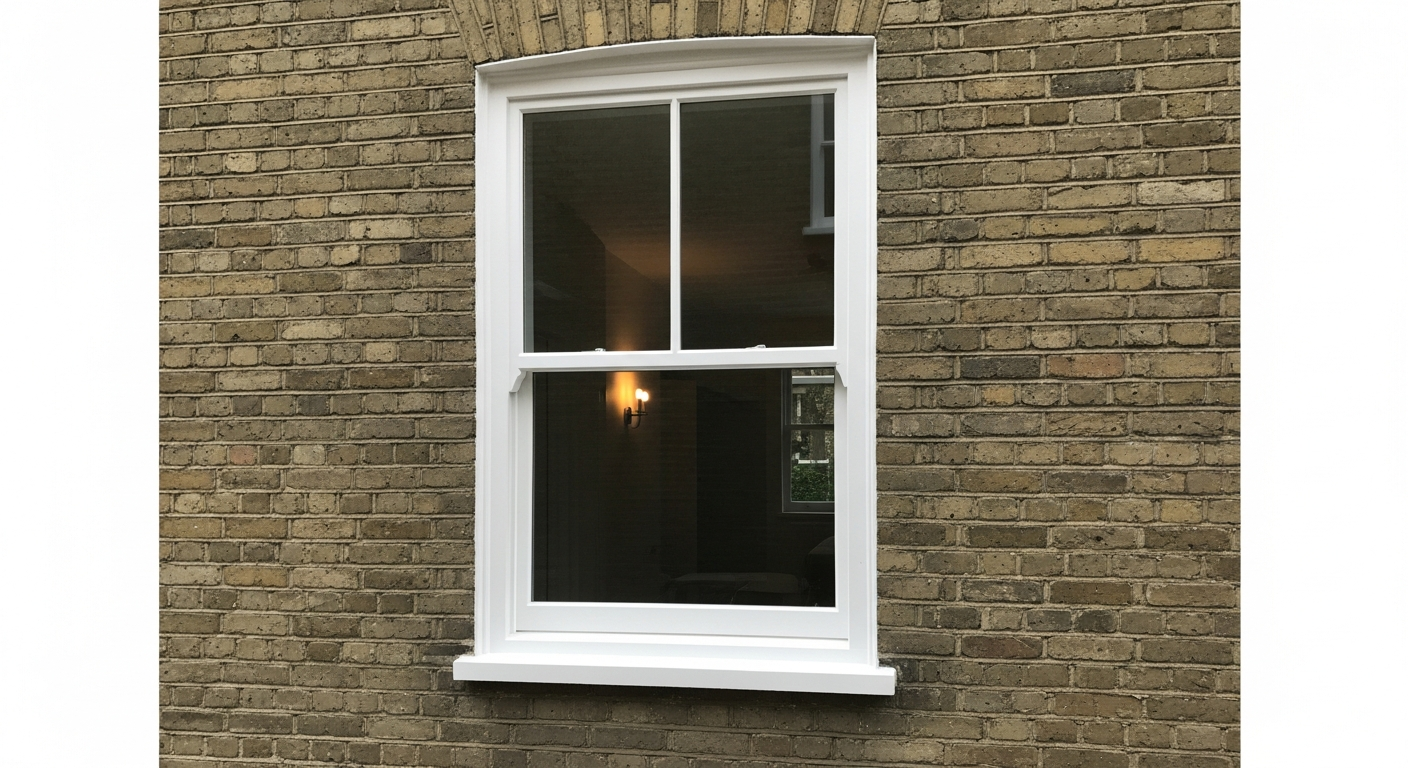
uPVC frames are fundamentally bulky. Because plastic lacks the structural strength of wood, the frames must be thicker, reducing the amount of glass and light entering the room. Furthermore, uPVC windows often rely on fake, stick-on glazing bars that sit awkwardly on the glass surface.
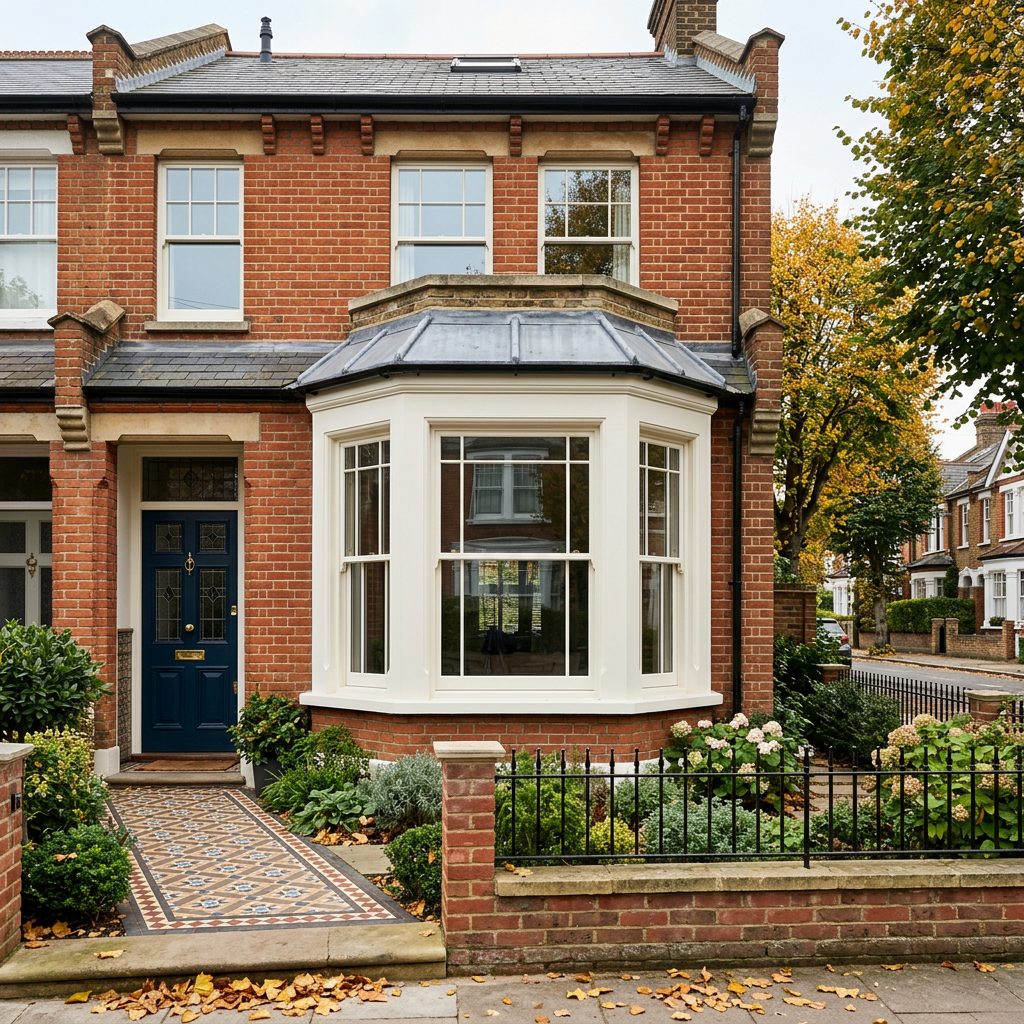
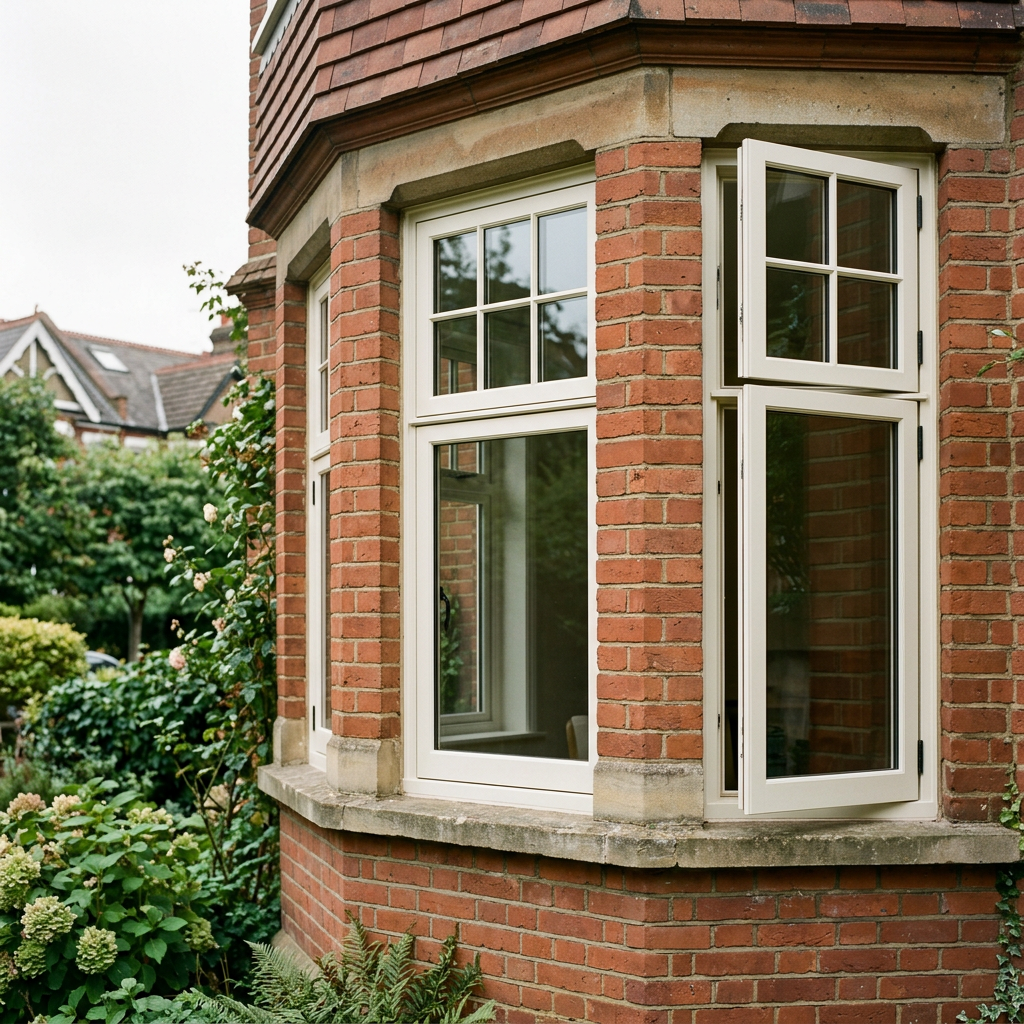
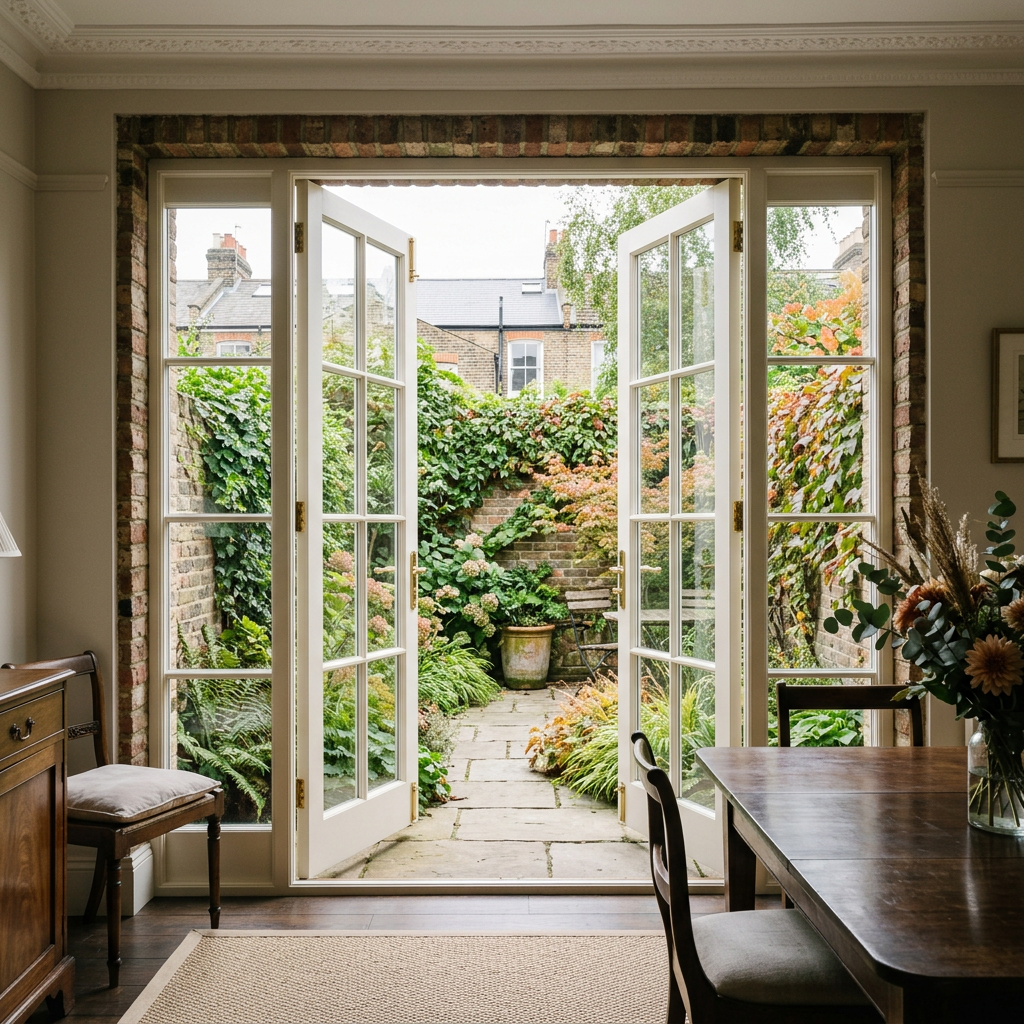
In contrast, timber allows for slender, elegant profiles and authentic, solid glazing bars that replicate the precise architectural details the property was designed with.
Durability of Modern Timber
A common misconception is that timber requires constant, arduous maintenance and will inevitably rot. This is a legacy of the cheap softwoods used in the 1980s. Today, we use modern, engineered timber, such as Accoya or premium engineered redwood, which is exceptionally stable and highly resistant to warping and rot.
When factory-finished with modern micro-porous paints, high-quality timber windows require minimal maintenance and can outlast uPVC by decades.
Property Value and Investment
Estate agents consistently report that unsympathetic uPVC windows can devalue a period property. Beautiful, historically accurate timber windows, on the other hand, add significant curb appeal and financial value. They are an investment that respects the building and pays dividends.