Brass or bronze? Which fasteners and lifts? Learn how to choose hardware that suits your new timber sash windows and the way you use each room.
When ordering replacement timber sash windows, it is natural to concentrate on glazing bars, paint colours and the shape of the frame. Yet the small metal fittings you touch every day deserve just as much thought. Ironmongery influences how comfortably a window opens, how it closes and how its finished appearance sits within your home.
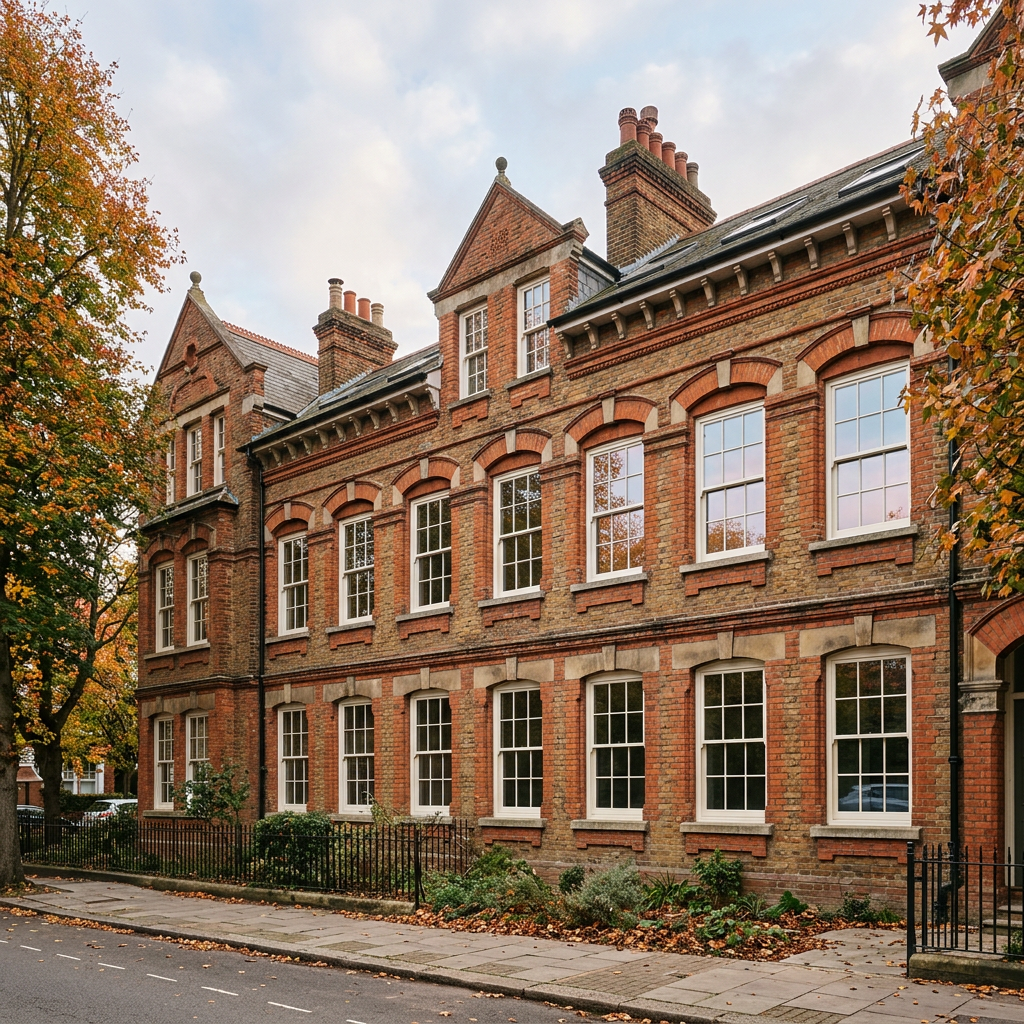
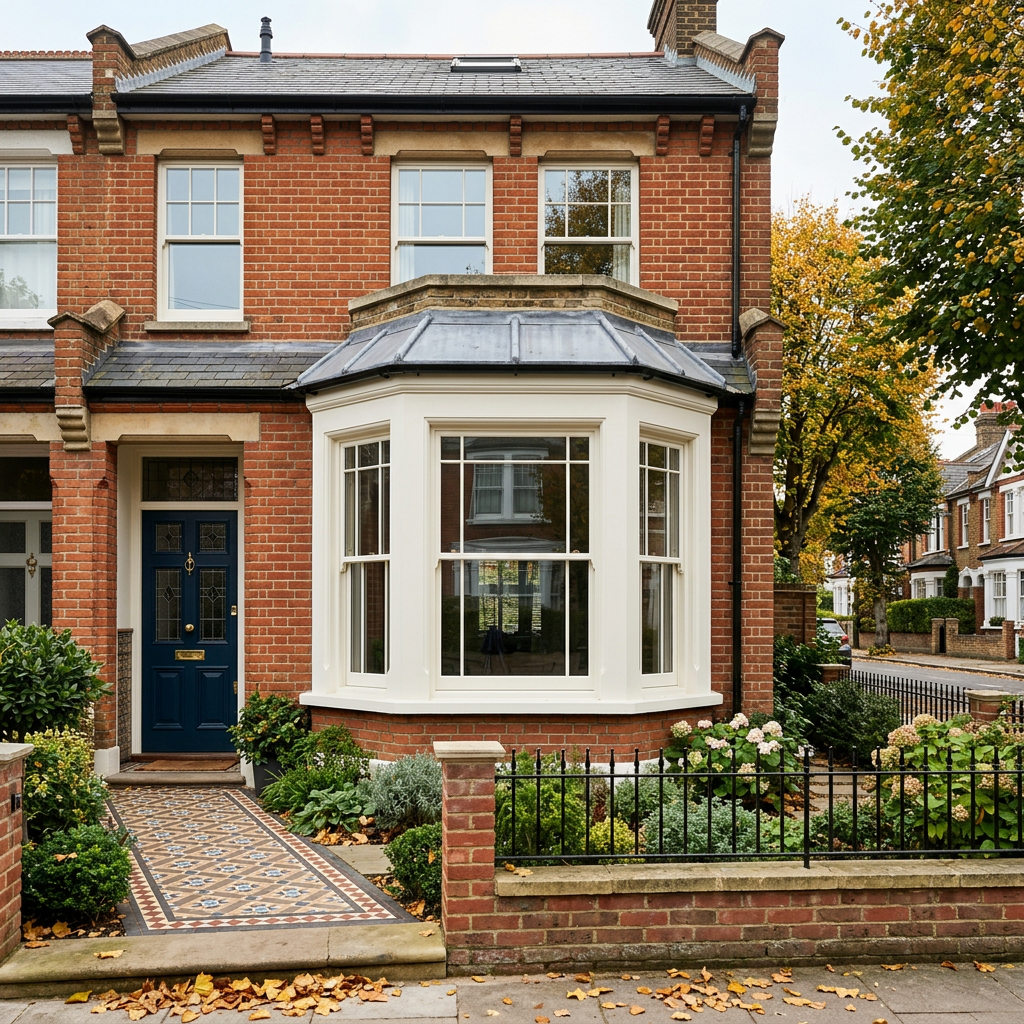
For Victorian terraces in Clapham and Battersea or Edwardian homes in Putney and Wimbledon, the right fittings can complement period proportions without overlooking everyday practicality. This guide focuses on choosing hardware as part of a new timber sash window installation, rather than treating it as an afterthought.
Understand What Each Fitting Does
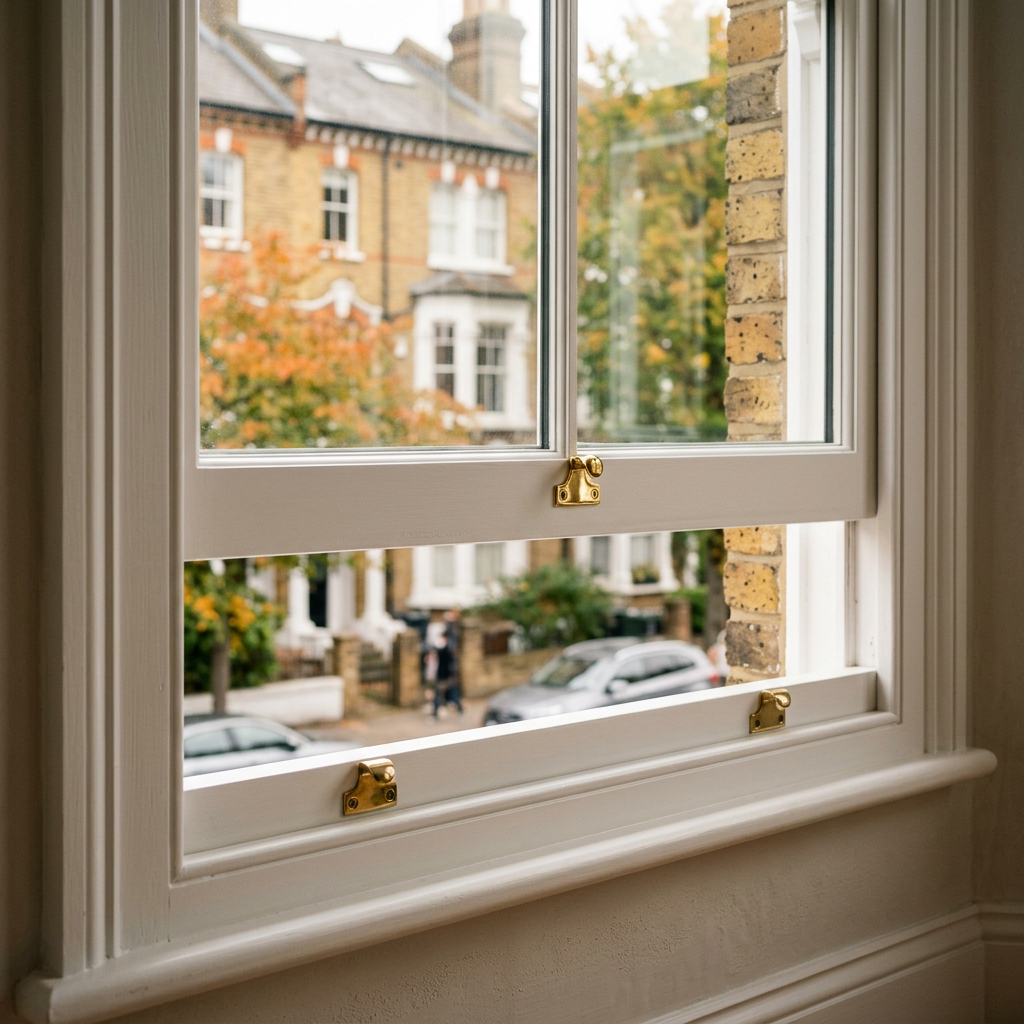
A sash fastener sits where the upper and lower sashes meet and holds them together when the window is closed. A sash lift gives you a place to grip when raising the lower sash. Restrictors limit how far a sash can open, depending on their design and installation.
These fittings do different jobs. A lift is not a lock, and a restrictor should not automatically be treated as a security device or a guarantee of child safety. Ask the surveyor to explain the purpose and specification of each item proposed for your replacement windows.
Sash Timber Windows supplies and fits heritage ironmongery, including traditional fasteners, lifts and restrictors. Agreeing these details alongside the window design helps ensure that the fittings suit the new joinery.
Choose for the Room, Not Just the Photograph
Think about how you will reach and operate each window. A window above a kitchen worktop presents a different challenge from one beside a bedroom chair. Deep internal sills, shutters and furniture can all affect access to the fastener and lifts.
Ask to handle a sample where possible. Check whether the shape provides a comfortable grip and whether the mechanism is straightforward to use. If anyone in the household has limited hand strength or dexterity, raise that during the survey rather than after the windows have been manufactured.
The position and projection of fittings also matter. Confirm that the proposed hardware will clear shutters, blinds and other internal finishes when the replacement window is opened and closed.
Match the Finish to Your Interior
The available heritage finishes include unlacquered brass, polished chrome, satin nickel and aged bronze. Each creates a different relationship with painted timber. Warm brass can sit comfortably with cream paint and traditional interiors, while cooler metal finishes may suit rooms with existing silver coloured door furniture.
Unlacquered brass develops a patina through exposure and handling. That changing appearance is part of its character, not the same effect as a finish intended to remain uniform. Ask what surface treatment a sample has and how its appearance is expected to change.
Compare physical samples beside your chosen window colour in daylight. Descriptions such as brass or bronze do not guarantee that fittings from different ranges will match exactly. If consistency across several rooms matters, agree the range and finish before placing the order.
Keep Period Detail in Proportion
A decorative fitting should complement the window rather than dominate it. The width of the meeting rail, the size of the sashes and the surrounding joinery all influence which shapes look balanced.
You do not need to choose every detail simply because it is labelled Victorian or Edwardian. Look at the architectural character of your own property and the other visible metalwork in the room. A restrained, consistent selection can be more convincing than a mixture of elaborate fittings.
For a listed building or a property subject to relevant planning controls, check the approved replacement specification before changing visible details. Where consent is required, confirm any restrictions before finalising the hardware order.
Discuss Security and Opening Restrictions Separately
Traditional appearance and modern locking requirements need to be considered together. Ask which locking fittings are included with the proposed sash windows and how they work with the frame and glazing. A period style alone does not establish a particular security rating.
If your insurer requires specific window locks, obtain the wording and share it before manufacture. Check whether the proposed fittings meet those requirements rather than assuming that any lockable fastener will be accepted.
Opening restrictions need a separate discussion, particularly for upper floors or homes with children. The appropriate arrangement depends on the window and its use. Where an opening forms part of an escape provision, the installer should assess the effect of locks and restrictors against the applicable requirements. Do not select an opening limit solely from an online photograph.
Record the Details Before Ordering
An itemised replacement quotation should identify more than a general promise of heritage fittings. Ask for the chosen range, finish, fastener type, lift arrangement and any restrictors to be recorded for each window.
For a house with several rooms, a simple window schedule can prevent confusion. You might choose a consistent finish throughout while agreeing different locking or opening arrangements where the survey identifies a practical reason.
Before signing off, confirm the location of each fitting, any keys supplied and how the completed windows will be demonstrated at handover. These small decisions help make the finished installation easier to understand and use.
Plan the Window and Hardware Together
The most useful time to discuss ironmongery is during the replacement window survey. It allows the appearance, operation and installation details to be considered as one specification instead of a series of separate purchases.
Sash Timber Windows provides bespoke timber sash window replacement and heritage ironmongery across South West London. Bring photographs of your interiors and a note of any access or security requirements to your consultation so that the proposed fittings suit both your property and your household.